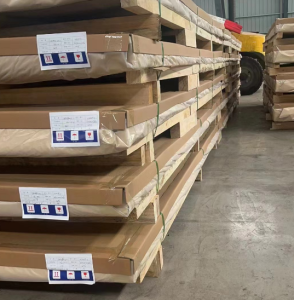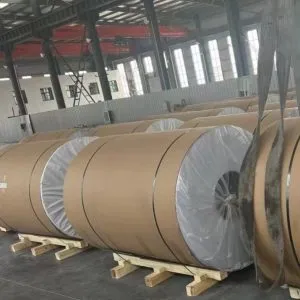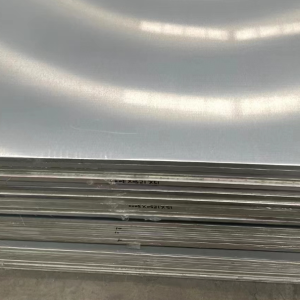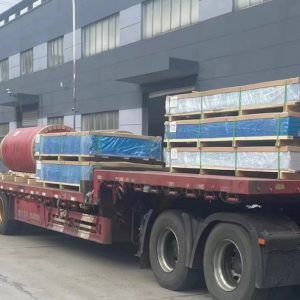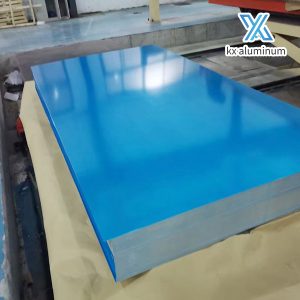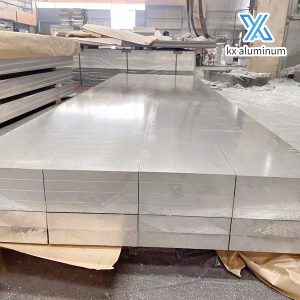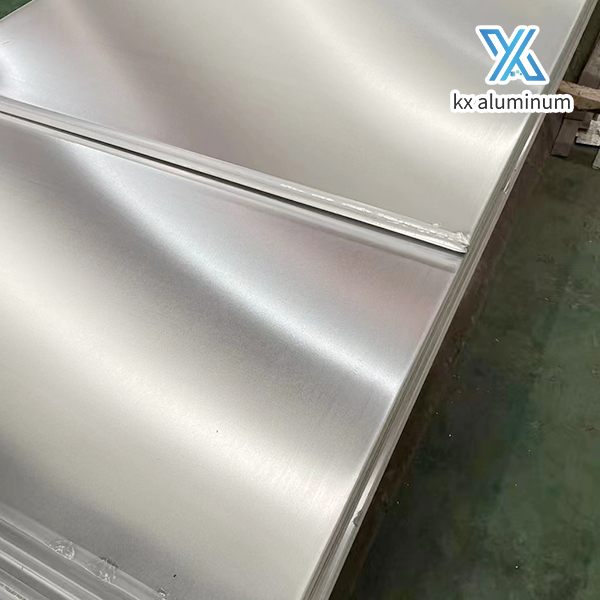
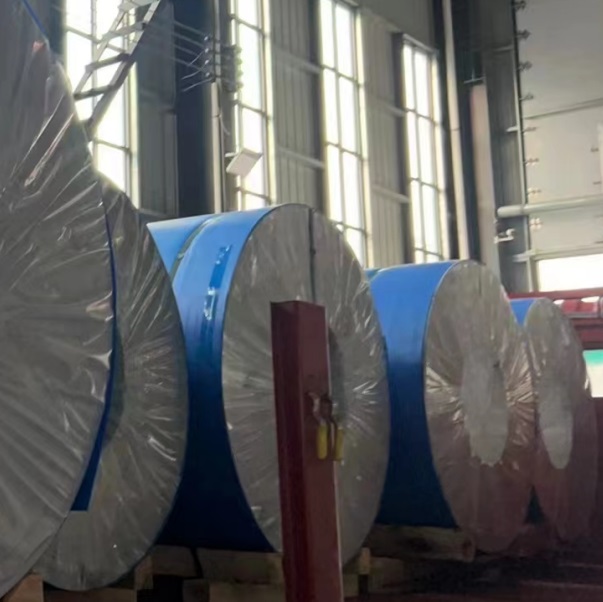
3003 aluminum sheet
Trusted Excellence in Aluminum Metal Products, Your Reliable Industrial Partnerr
- Leading Provider of Aluminum Metal Solutions
- Number #1 Supplier in China
- Certified ISO 9001:2008
Aluminum Sheet: A Comprehensive Guide
Introduction
In the realm of metalworking and manufacturing, the demand for high-performance materials that strike the perfect balance between strength, durability, and workability is ever-increasing. Enter the3003 aluminum sheet, a remarkable alloy that has captured the attention of industries worldwide. This article delves into the intricacies of this exceptional material, exploring its composition, properties, and the numerous advantages it offers across a wide range of applications.
Overview of 3003 Aluminum Sheet
The 3003 aluminum sheet belongs to the 3000 series of aluminum alloys, renowned for their excellent strength-to-weight ratio and resistance to corrosion. This particular alloy is composed primarily of aluminum, with manganese and copper as the primary alloying elements. Its unique composition and manufacturing process result in a material that boasts exceptional mechanical and physical properties, making it a popular choice for various industries.
Product Features
- Superior Strength and Durability: One of the standout features of the 3003 aluminum sheet is its impressive strength and durability, making it an ideal choice for applications where structural integrity and load-bearing capacity are critical, such as in the construction and transportation industries.
- Excellent Corrosion Resistance: The 3003 aluminum sheet offers outstanding resistance to corrosion, ensuring longevity and durability in harsh environments or applications where exposure to chemicals or moisture is a concern.
- Lightweight yet Robust: Despite its lightweight nature, the 3003 aluminum sheet offers remarkable strength and robustness, making it a reliable choice for applications where weight reduction is crucial without compromising structural integrity.
- Versatile Formability: The material’s high workability allows for easy forming, bending, and machining processes, enabling efficient and cost-effective fabrication of complex components and structures.
- Attractive Appearance: The smooth and consistent surface finish of the 3003 aluminum sheet contributes to its aesthetic appeal and suitability for applications where appearance is a critical factor, such as in architectural and consumer product applications.
Product Parameters
To better understand the capabilities of the 3003 aluminum sheet, let’s explore its key product parameters:
| Parameter | Value |
|---|---|
| Tensile Strength | 110-165 MPa |
| Yield Strength | 80-120 MPa |
| Elongation | 18-25% |
| Hardness (Brinell) | 40-60 HB |
| Electrical Conductivity | 38-42% IACS |
| Thermal Conductivity | 167 W/m·K |
These parameters highlight the impressive mechanical and physical properties of the 3003 aluminum sheet, making it a versatile choice for a wide range of applications.
Composition Adequacy
The composition of the 3003 aluminum sheet is carefully controlled to ensure optimal performance and consistency. Here’s a breakdown of its typical composition:
| Element | Composition (%) |
|---|---|
| Aluminum (Al) | 97.5% minimum |
| Manganese (Mn) | 1.0-1.5% |
| Copper (Cu) | 0.05-0.20% |
| Iron (Fe) | 0.7% maximum |
| Silicon (Si) | 0.6% maximum |
| Zinc (Zn) | 0.1% maximum |
| Others (Total) | 0.15% maximum |
This precise composition ensures that the 3003 aluminum sheet maintains its excellent strength, corrosion resistance, and overall mechanical properties, making it a reliable choice for various applications.
Mechanical Properties
The mechanical properties of the 3003 aluminum sheet are impressive, making it a reliable choice for various applications that demand strength, ductility, and durability. Let’s take a closer look at some of its key mechanical properties:
| Property | Value |
|---|---|
| Tensile Strength | 110-165 MPa |
| Yield Strength | 80-120 MPa |
| Elongation | 18-25% |
| Hardness (Brinell) | 40-60 HB |
These mechanical properties contribute to the alloy’s exceptional performance, allowing it to withstand various loads and stresses while maintaining its structural integrity.
Physical Properties
In addition to its mechanical properties, the 3003 aluminum sheet also boasts desirable physical properties that contribute to its versatility and performance. Here’s a breakdown of some of its key physical properties:
| Property | Value |
|---|---|
| Density | 2.73 g/cm³ |
| Melting Point | 643-657°C (1189-1215°F) |
| Thermal Expansion Coefficient | 23.6 × 10^-6/K (at 20-100°C) |
| Electrical Conductivity | 38-42% IACS |
| Thermal Conductivity | 167 W/m·K |
These physical properties, such as its high thermal conductivity and low density, make the 3003 aluminum sheet an attractive choice for applications that require efficient heat transfer or weight reduction.
Temperature Designations
The 3003 aluminum sheet is suitable for use in a wide range of temperatures, thanks to its excellent thermal properties. Here are the typical temperature designations for this alloy:
| Temperature Designation | Range |
|---|---|
| Cryogenic | Below -195°C (-320°F) |
| Low Temperature | -195°C to -55°C (-320°F to -67°F) |
| Ambient Temperature | -55°C to 95°C (-67°F to 203°F) |
| Elevated Temperature | 95°C to 205°C (203°F to 401°F) |
| High Temperature | 205°C to 315°C (401°F to 599°F) |
This wide temperature range allows the 3003 aluminum sheet to be used in a variety of environments, from cryogenic applications to high-temperature processes, ensuring its versatility across various industries.
Available Dimensions
To cater to the diverse needs of different applications, the 3003 aluminum sheet is available in a variety of dimensions. Common dimensions include:
| Thickness | Width | Length |
|---|---|---|
| 0.5 mm - 12.7 mm | 1000 mm - 2500 mm | 2000 mm - 6000 mm |
| (0.020″ - 0.500″) | (39.37″ - 98.43″) | (78.74″ - 236.22″) |
Note: Custom dimensions may also be available upon request from certain suppliers, allowing for even greater flexibility in meeting specific project requirements.
Comparative Results
When compared to other aluminum alloys and materials, the 3003 aluminum sheet offers several competitive advantages. Let’s take a closer look at how it stacks up against other popular options:
| Property | 3003 Aluminum | 6061 Aluminum | Mild Steel |
|---|---|---|---|
| Strength | High | High | Moderate |
| Corrosion Resistance | Excellent | Good | Poor |
| Workability | Good | Good | Fair |
| Strength-to-Weight Ratio | High | High | Low |
| Thermal Conductivity | High | High | Low |
| Cost | Moderate | Moderate | Low |
As evident from the table, the 3003 aluminum sheet outperforms mild steel in terms of strength, corrosion resistance, workability, strength-to-weight ratio, and thermal conductivity, while offering a competitive cost advantage over other high-performance aluminum alloys like 6061. This makes it an attractive choice for applications that require a balance of performance and cost-effectiveness.
Product Benefits
The 3003 aluminum sheet offers a multitude of benefits that make it a preferred choice for various applications across industries. Let’s explore some of its key advantages:
- Superior Strength and Durability: The 3003 aluminum sheet boasts exceptional strength and durability, making it an ideal choice for load-bearing applications, such as in construction, transportation, and heavy machinery.
- Excellent Corrosion Resistance: The precise composition and manufacturing process of the 3003 aluminum sheet provide outstanding resistance against corrosion, ensuring longevity and durability in harsh environments or applications where exposure to chemicals or moisture is a concern.
- Lightweight yet Robust: The unique combination of lightweight properties and impressive strength make the 3003 aluminum sheet an ideal choice for applications where weight reduction is crucial, such as in the automotive and aerospace industries, without compromising structural integrity.
- Versatile Formability: The material’s high workability allows for easy forming, bending, and machining processes, enabling efficient and cost-effective fabrication of complex components and structures.
Suppliers And Price Ranges
When it comes to procuring the 3003 aluminum sheet, understanding the price range is crucial for informed decision-making and budgeting. The cost of this material can vary depending on several factors, such as the supplier, quantity, dimensions, and location. To provide you with a general overview, here’s a table with indicative price ranges from various suppliers:
| Supplier | Location | Price Range (USD/lb) | Minimum Order |
|---|---|---|---|
| MetalsDepot | United States | $3.10 - $4.70 | No minimum |
| OnlineMetals.com | United States | $3.25 - $4.95 | No minimum |
| Alro Metals | United States | $3.00 - $4.50 | Varies by location |
| Rotometals | Canada | $3.40 - $5.10 | 100 lbs |
| Multimetco | United Kingdom | £2.60 - £3.90 ($3.25 - $4.90) | 50 kg |
| Metalmen | Australia | AUD $5.20 - $7.80 ($3.45 - $5.20) | No minimum |
| Metal & Plastic Products Inc. | United States | $2.90 - $4.35 | 100 lbs |
| KGS Diamond | India | ₹270 - ₹405 ($3.30 - $4.95) | 100 kg |
| Shree Maruthi Metals | India | ₹260 - ₹390 ($3.15 - $4.75) | 50 kg |
| Surplus Sales of Nebraska | United States | $2.75 - $4.15 | 50 lbs |
Please note that these prices are subject to change and should be used as a general reference only. It’s always recommended to obtain quotes from multiple suppliers to ensure you get the best deal for your specific requirements.
Applications
The versatility of the 3003 aluminum sheet makes it a popular choice for numerous applications across various industries. Let’s explore some of the key areas where this exceptional material shines:
- Construction and Infrastructure: The 3003 aluminum sheet is widely used in the construction industry for various applications, such as roofing systems, cladding, and structural components, due to its high strength, durability, and corrosion resistance.
- Transportation: The lightweight yet robust nature of the 3003 aluminum sheet makes it an attractive choice for the manufacturing of automotive and aerospace components, contributing to improved fuel efficiency and reduced carbon footprint.
- Industrial Machinery and Equipment: The strength and durability of the 3003 aluminum sheet make it a reliable choice for the manufacturing of industrial machinery and equipment components, ensuring long-lasting performance and reduced maintenance requirements.
- Consumer Products: The attractive appearance and formability of the 3003 aluminum sheet allow for its use in various consumer products, including household appliances, furniture, and decorative items, providing both functionality and aesthetics.
- Chemical and Food Processing: The excellent corrosion resistance and non-toxic nature of the 3003 aluminum sheet make it suitable for applications in the chemical and food processing industries, such as storage tanks, piping systems, and processing equipment.
Frequently Asked Questions(FAQ)
1. What is the primary difference between the 3003 aluminum sheet and other aluminum alloys?
The 3003 aluminum sheet belongs to the 3000 series of aluminum alloys, which are known for their excellent strength-to-weight ratio and resistance to corrosion. The primary alloying elements in the 3003 aluminum sheet are manganese and copper, which contribute to its exceptional mechanical properties and corrosion resistance.
2. Can the 3003 aluminum sheet be heat-treated for additional strength?
Yes, the 3003 aluminum sheet can be heat-treated through processes such as solution heat treatment and artificial aging to further enhance its strength and mechanical properties. However, it’s important to follow precise temperature and time parameters to achieve the desired results without compromising other properties.
3. Is the 3003 aluminum sheet suitable for welding applications?
The 3003 aluminum sheet can be welded using various techniques, such as Gas Tungsten Arc Welding (GTAW) or Metal Inert Gas (MIG) welding. However, due to its alloying elements, special precautions and techniques may be required to ensure proper fusion and joint strength.
4. How does the 3003 aluminum sheet perform in terms of recyclability?
Like other aluminum alloys, the 3003 aluminum sheet is highly recyclable, making it an environmentally friendly choice. Aluminum can be recycled repeatedly without losing its properties, contributing to a more sustainable and circular economy. Recycling aluminum also requires significantly less energy compared to producing new aluminum from raw materials.
5. Can the 3003 aluminum sheet be used in food-related applications?
Yes, the 3003 aluminum sheet can be used in food-related applications, such as food processing equipment, packaging, and utensils, provided that proper cleaning and maintenance procedures are followed. Its corrosion resistance and non-toxic nature make it a safe choice for contact with food products.